Psychology · January 2026 · 6 min read
Everyone Is "Working On Themselves" But Somehow More Disconnected
Emotional fluency went up. The feeling of being alive didn't.
Something strange happened over the last decade.
People became more emotionally aware, more self-reflective, more educated about mental health, boundaries, nervous systems, attachment styles, trauma, self-care, healing, mindfulness, and emotional intelligence.
And somehow many people still feel disconnected from themselves.
Not because emotional awareness is bad. A lot of it is genuinely important.
But at some point self-awareness became a full-time identity for many people.
People started analyzing themselves constantly. Every feeling became something to process. Every discomfort became something to diagnose. Every interaction became something to dissect.
And weirdly, life started feeling less spontaneous.
There's now an entire generation fluent in therapy language while simultaneously struggling to relax, trust people, open naturally, stop overthinking, feel emotionally safe, feel fully alive.
The wellness industry often sells people the idea that they're one routine away from becoming fully optimized humans. Morning routines. Cold plunges. Supplements. Journaling systems. Protocols. Healing stacks.
And honestly, some of it helps.
But a lot of people are quietly exhausted from trying to constantly improve themselves.
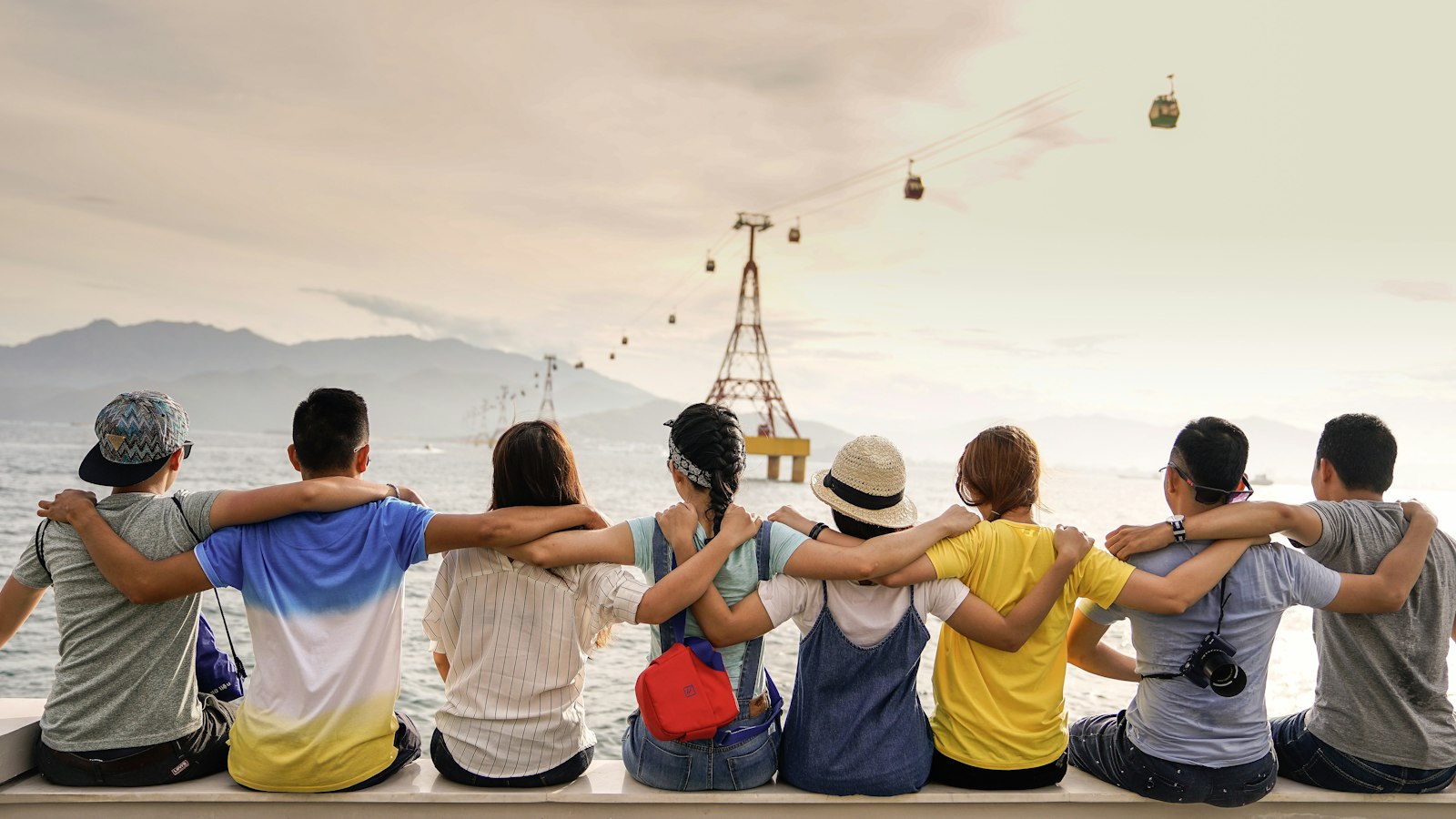
Sometimes people don't need another framework. They need sunlight, laughter, movement, community, less screen time, environments where nobody's trying to become a better version of themselves for five minutes.
The irony is: many people actually become more emotionally open when they stop focusing on themselves so intensely.
Not because growth is fake. Because humans also need play, novelty, friendship, adventure, music, nature, and moments that interrupt constant self-analysis.
A lot of modern people aren't emotionally broken. They're mentally overloaded and socially undernourished.